SafeEatsDet

Nutrition & Allergies
This dietitian approved* database provides you with all nutritional deprivations from the top 9 allergens, and alternates you that you can meet your nutritional goals!
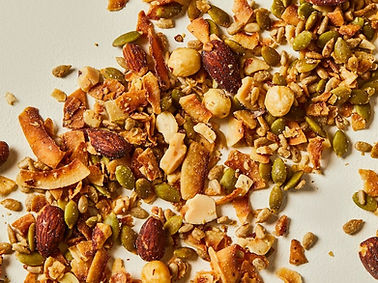
Nuts (Peanut & Treenut)
Main Nutrients: Unsaturated fats, Protein, Vitamin E, Vitamin B, Selenium
For people avoiding nuts, seeds can often provide similar qualities, taste, nutrients, and overall feel, without using tree nuts or peanuts. Sunflower seed butter can replace peanut or almond butter in sandwiches, sauces, smoothies, and baking, while pumpkin seed butter can work in similar applications. Oat, rice, pea, or soy beverages can replace nut milks in drinks, cereals, and recipes, and seed based cheeses or creams can provide alternatives to nut based versions.
For recipes that call for chopped nuts for crunch, toasted sunflower, pumpkin, or other tolerated seeds can provide a similar texture. Nut alternatives are becoming more and more popular, as they have virtually the same taste, and nutrients, without the risk of allergic reactions.
Function
Common Nut Ingredient
Alternative
What It Replaces
Spread
Spread
Milk
Crunch
Crunch
Sauce
Cheese/cream
Smoothie
Baking
Peanut/almond butter
Nut butter
Almond/cashew milk
Chopped almonds
Chopped walnuts
Cashew cream
Cashew-based cheese
Almond butter
Ground nuts
Sunflower-seed butter
Pumpkin-seed butter
Oat/soy/rice milk
Toasted sunflower seeds
Pumpkin seeds
Sunflower-seed cream
Seed-based cheese
Sunflower-seed butter
Seed meal/flour
Spreadability
Creaminess + fat/protein
Liquid + creaminess
Crunch + texture
Crunch + texture
Creaminess
Creamy texture
Thickness + richness
Texture + fat
Milk
Main Nutrients: Protein, Calcium, Vitamin D, Vitamin B12, Vitamin B2, Riboflavin, and Healthy Fats

For people avoiding milk and dairy, plant-based alternatives can provide similar textures, flavors, and functions without using cow’s milk or other dairy products. Oat, soy, rice, and pea beverages can replace milk in drinks, cereals, smoothies, sauces, and recipes, while plant-based butter can replace traditional butter in cooking and baking. Dairy-free cheeses made from ingredients such as soy, coconut, or other plant-based sources can provide alternatives to traditional cheese, while coconut, soy, or oat-based yogurts can replace dairy yogurt.
For recipes that call for cream, sour cream, or cream cheese, plant-based versions can provide similar creaminess and texture. Oat or coconut-based creams can work in soups, sauces, and desserts, while dairy-free sour cream and cream cheese can be used as spreads, toppings, or recipe ingredients. Dairy-free ice creams and whipped toppings can also provide alternatives for desserts. Milk alternatives are increasingly available in restaurants and grocery stores, but people with milk allergies should still check ingredients and cross-contact because some dairy-free products may contain other allergens.
Function
Common Milk Ingredient
Alternative
What It Replaces
Milk
Butter
Cheese
Yogurt
Cream
Ice cream
Whipped cream
Sour cream
Cream cheese
Cow's milk
Butter
Dairy cheese
Dairy yogurt
Heavy cream
Dairy ice cream
Whipped cream
Sour cream
Cream cheese
Oat/soy/rice milk
Plant-based butter
Dairy-free cheese
Coconut/soy/oat yogurt
Oat/coconut cream
Oat/coconut/soy ice cream
Coconut-based whipped topping
Dairy-free sour cream
Dairy-free cream cheese
Liquid + creaminess
Fat + richness
Creamy texture + savory flavor
Creamy texture + tanginess
Creaminess + richness
Creaminess + sweetness
Creamy texture + sweetness
Creamy texture + tanginess
Creamy texture + spreadability

Soy
Protein, Fiber, Iron, Magnesium, Potassium, Healthy Fats
For people avoiding soy, alternatives can provide similar textures, protein, and cooking functions without using soy-based ingredients. Beans, peas, lentils, seeds, and certain grains can replace soy in different foods, while pea protein can be used in smoothies, protein products, and some meat alternatives. For soy milk, oat, rice, pea, or coconut beverages can provide similar uses in drinks, cereals, baking, and cooking. Chickpea-based products can also provide alternatives to soy-based foods such as tofu in certain recipes.
For recipes that use tofu or other soy-based proteins, chickpeas, lentils, beans, or other plant proteins can provide similar protein and texture depending on the dish. However, soy is present in many processed foods, so people with soy allergies should check ingredient labels and ask about cross-contact.
Function
Common Soy Ingredient
Alternative
What It Replaces
Milk
Tofu
Soy sauce
Protein
Edamame
Tempeh
Soy-based yogurt
Soy-based cheese
Soy flour
Soy milk
Tofu
Soy sauce
Soy protein
Edamame
Tempeh
Soy yogurt
Soy cheese
Soy flour
Oat/pea/rice milk
Chickpeas or chickpea tofu
Coconut aminos
Pea protein
Green peas
Lentils or beans
Coconut/oat yogurt
Dairy or coconut-based alternatives
Chickpea/oat flour
Liquid + creaminess
Protein + soft texture
Salty + savory flavor
Plant-based protein
Protein + fiber
Protein + firm texture
Creaminess + tanginess
Creamy + savory texture
Structure + protein
Wheat
Carbohydrates, Fiber, Protein, Iron, Magnesium, B Vitamins

For people avoiding wheat, naturally wheat-free grains and starches can provide similar textures, flavors, and functions in breads, pasta, baked goods, and other recipes. Rice, corn, oats labeled gluten-free, quinoa, buckwheat, and potatoes can replace wheat-based ingredients in many dishes. Gluten-free flour blends made from rice, tapioca, potato, sorghum, or other grains and starches can also be used for baking. For foods such as pasta, bread, and tortillas, rice-, corn-, chickpea-, or other legume-based versions can provide alternatives to traditional wheat products.
For recipes that call for wheat flour, gluten-free flour blends can often provide a similar structure when combined with the appropriate ingredients. However, people with wheat allergies should still check labels and cross-contact, since a product can be gluten-free without necessarily being free from wheat.
Function
Common Wheat Ingredient
Alternative
What It Replaces
Bread
Pasta
Flour
Tortillas
Cereal
Crackers
Breading
Baked goods
Wheat bread
Wheat pasta
Wheat flour
Flour tortillas
Wheat cereal
Wheat crackers
Breadcrumbs
Wheat flour
Rice/corn/gluten-free bread
Rice/corn/chickpea pasta
Rice/tapioca/sorghum flour
Corn tortillas
Rice/corn/oat cereal
Rice/corn crackers
Crushed rice/corn cereal or gluten-free breadcrumbs
Gluten-free flour blend
Softness + structure
Starch + texture
Structure + binding
Flexible texture
Crunch + carbohydrates
Crunch + structure
Crunch + coating
Structure + binding

Seafood (Fish/Shelfish)
Main Nutrients: Protein, Omega-3 Fatty Acids, Vitamin B12, Selenium, Vitamin D, Iron
For people avoiding fish or crustacean shellfish, other protein-rich foods can provide similar nutritional value and cooking functions without using seafood. Chicken, turkey, eggs, beans, lentils, tofu, and plant-based proteins can replace fish or shellfish in many recipes depending on the dish. For recipes that rely on seafood for texture or flavor, ingredients such as hearts of palm, mushrooms, jackfruit, or plant-based seafood alternatives can provide similar textures in dishes such as tacos, sandwiches, cakes, and bowls.
For recipes that use fish or shellfish for protein, beans, lentils, eggs, poultry, tofu, or other protein-rich ingredients can provide alternatives. People avoiding seafood should also check sauces, stocks, seasonings, and prepared foods, since fish or shellfish can appear as ingredients. Cross-contact is also important, particularly at restaurants and seafood-focused facilities.
Function
Common Seafood Ingredient
Alternative
What It Replaces
Fish fillets
Fish tacos
Fish cakes
Tuna salad
Seafood pasta
Shrimp
Crab
Fish stock/broth
Salmon, cod, tilapia, etc.
Fish fillet
Flaked fish
Tuna
Fish or seafood
Shrimp
Crab
Fish stock
Chicken, tofu, beans, or plant-based protein
Tofu, chicken, or plant-based fish alternative
Mashed chickpeas, potatoes, or plant-based seafood
Chickpeas or mashed beans
Chicken, tofu, mushrooms, or plant-based protein
Chicken, tofu, mushrooms, or plant-based shrimp alternative
Hearts of palm, jackfruit, or plant-based crab alternative
Vegetable or mushroom broth
Spreadability
Creaminess + fat/protein
Liquid + creaminess
Crunch + texture
Crunch + texture
Creaminess
Creamy texture
Thickness + richness
Texture + fat
Sesame
Main Nutrients: Healthy Fats, Protein, Fiber, Calcium, Magnesium, Iron

For people avoiding sesame, alternatives can provide similar textures, flavors, and cooking functions without using sesame seeds or sesame-based ingredients. Sunflower seeds, pumpkin seeds, chia seeds, and other tolerated seeds can provide similar crunch and nutritional benefits in salads, baked goods, granola, and other recipes. Sunflower seed butter can also replace tahini or sesame-based spreads in sauces, dressings, dips, and sandwiches.
For recipes that use tahini for creaminess or a nutty flavor, sunflower seed butter, pumpkin seed butter, or other seed-based spreads can provide similar functions. Sesame oil can sometimes be replaced with other cooking oils depending on the recipe, although the flavor will differ. People avoiding sesame should carefully check ingredient labels and ask about cross-contact, since sesame can be used in breads, sauces, dressings, hummus, and many prepared foods.
Function
Common Sesame Ingredient
Alternative
What It Replaces
Tahini
Hummus
Sesame seeds
Sesame topping
Sesame butter/spread
Sesame oil
Breading/coating
Asian-style sauces
Tahini
Tahini or sesame
Sesame seeds
Sesame seeds
Sesame seed butter
Sesame oil
Sesame seeds
Sesame oil or sesame paste
Sunflower seed butter or pumpkin seed butter
Chickpeas + sunflower seed butter
Sunflower or pumpkin seeds
Sunflower or pumpkin seeds
Sunflower seed butter
Olive, avocado, or neutral cooking oil
Sunflower or pumpkin seeds
Sunflower seed butter + neutral oil
Creaminess + nutty flavor
Creaminess + savory flavor
Crunch + texture + healthy fats
Crunch + texture
Creaminess + spreadability
Cooking fat + flavor
Crunch + coating
Creaminess + savory/nutty flavor

Eggs
Main Nutrients: Protein, Choline, Vitamin B12, Vitamin D, Selenium, Vitamin A
For people avoiding eggs, alternatives can provide similar binding, moisture, structure, and texture in many recipes without using eggs. Applesauce, mashed banana, ground flaxseed, chia seeds, and commercial egg replacers can work well in baking, while aquafaba, the liquid from cooked chickpeas, can provide whipping and foaming properties similar to egg whites.
For recipes that use eggs as a source of protein, tofu, beans, chickpea flour, or other protein-rich ingredients can provide alternatives depending on the dish. For breakfast foods such as scrambled eggs or omelets, tofu and chickpea flour can be prepared to create similar textures. People with egg allergies should still check labels and ask about cross-contact, since egg can appear in baked goods, sauces, pasta, breading, and prepared foods.
Function
Common Egg Ingredient
Alternative
What It Replaces
Baking
Binding
Moisture
Leavening
Scrambled eggs
Omelets
Egg wash
Mayonnaise
Whole egg
Egg
Egg
Egg whites
Whole eggs
Whole eggs
Beaten egg
Egg yolks
Applesauce, mashed banana, or commercial egg replacer
Ground flaxseed + water or chia seeds + water
Applesauce, mashed banana, or yogurt alternative
Baking powder + acid
Tofu or chickpea flour
Chickpea flour or tofu
Plant-based milk or aquafaba
Aquafaba or egg-free mayonnaise
Moisture + binding
Binding + structure
Moisture
Leavening + air
Protein + soft texture
Protein + structure
Surface browning + moisture
Creaminess + emulsification