Cities vs Suburbs: the difference in dining environment
Updated: Sep 8

For the 33 million Americans living with food allergies, deciding where to eat isn’t just about craving sushi or wanting tacos. It’s a high-stakes calculation. While the classic "city vs. suburbs" debate usually centers on school districts and rent prices, the choice looks completely different through the lens of an allergy advocate. Where you choose to live or visit dramatically shapes the type of food safety, menu transparency, and culinary risk you encounter every single time you dine out.
Recent data highlights just how crucial this choice is. The Nutritics 2026 Allergy Dining Report revealed that unclear allergen information puts a staggering $12.6 billion in annual U.S. restaurant revenue at risk, with 61% of allergy-affected diners admitting they’ve skipped eating out entirely when finding a safe spot felt like too much work. When you're trying to avoid becoming a statistic, the choice between the bustling city center and the sprawling suburbs comes down to a trade-off, and increasingly, the sheer diversity, culinary innovation, and dedicated safe spaces of the city are winning out over the rigid predictability of suburban chains.
The City: The Undisputed King of Dedicated Safe Spaces
Metropolitan dining is a dream for adventurous foodies and, increasingly, the ultimate haven for the food allergy community. Because urban markets are massive and diverse, independent chefs can successfully cater to niche crowds that corporate chains completely overlook. If you have a severe allergy, the city offers something the suburbs rarely can: absolute peace of mind through total elimination.
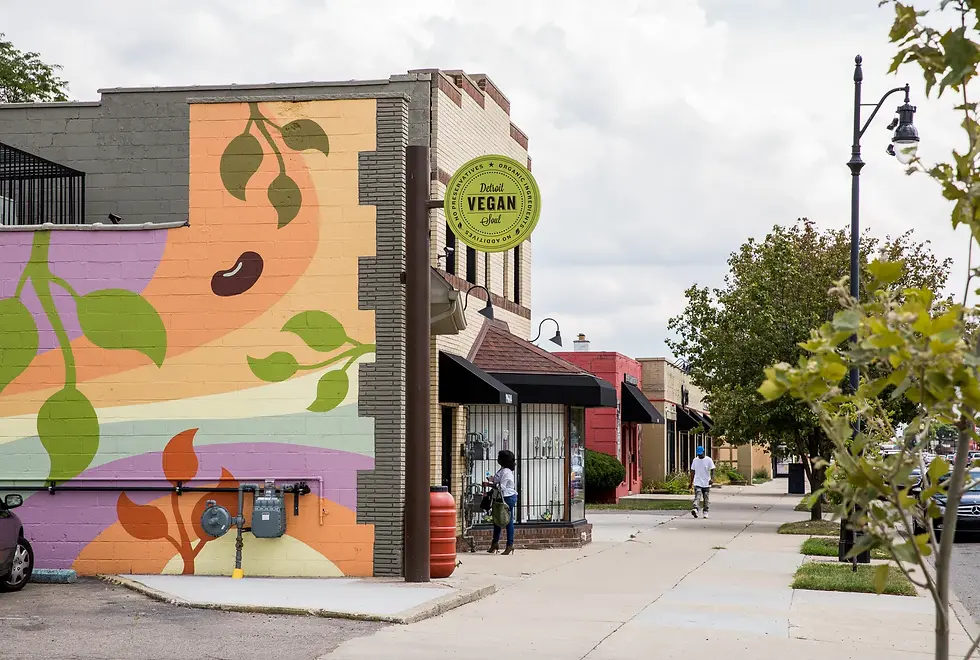
Cities are the exclusive breeding grounds for dedicated allergen-free spaces. We are talking about 100% gluten-free bakeries, entirely nut-free cafes, and cutting-edge vegan spots utilizing advanced allergen-inclusive ingredients. In these urban sanctuaries, the risk of cross-contact is zero because the allergen never enters the building.
Furthermore, urban chefs tend to be deeply dialed into the culinary avant-garde. They are far more likely to understand modern dietary needs, embrace ingredient transparency as a badge of honor, and accommodate custom requests on the fly.
In an independent city kitchen, you can often speak directly to a chef who knows exactly what went into the scratch-made sauce that morning, rather than a suburban line cook heat-and-serving a pre-packaged bag of corporate ingredients.
The Suburbs: The Limitations of Corporate Predictability
Stepping into the suburbs flips the allergy dining experience entirely on its head, and not necessarily for the better. You won't find a trendy, top-9-allergen-free independent bistro on every corner. Instead, suburban dining is heavily anchored by regional and national chain restaurants.
To their credit, chains offer predictability. They rely on rigid, corporate-mandated allergy protocols, standardized ingredient formulations, and online allergen matrices. If a dish is safe for your peanut allergy at a branch fifty miles away, it is highly likely to be safe at the local strip mall.
However, this corporate structure is a double-edged sword that often leaves allergy diners frustrated:
The Inflexibility Factor: Because many chain components arrive pre-made from a central distribution facility, menu customization is notoriously difficult. If a pre-packaged corporate sauce contains soy or dairy, a suburban chef can’t simply "leave it out" for you.
The Creative Desert: While a chain might keep you safe from cross-contact, your options are often reduced to a plain baked potato or a dry chicken breast. The suburbs lack the culinary imagination that allows allergy diners to actually enjoy a complex, gourmet meal.
The Verdict: Innovation Beats Stagnation
While the suburbs offer the comfort of familiar corporate logos and predictable digital spreadsheets, they simply cannot compete with the sheer variety and safety innovation happening in metropolitan centers. For allergy advocates who want to dine out with joy, rather than just survival, the city environment provides the dedicated, allergen-free concepts and culinary flexibility that make eating out feel like a privilege again, not a chore.


Comments